
Requests For Mayor Amezcua’s Texts Resulted In Zero Messages
State law mandates disclosure of texts even if sent on personal devices. Mayor's texts a secret for now.

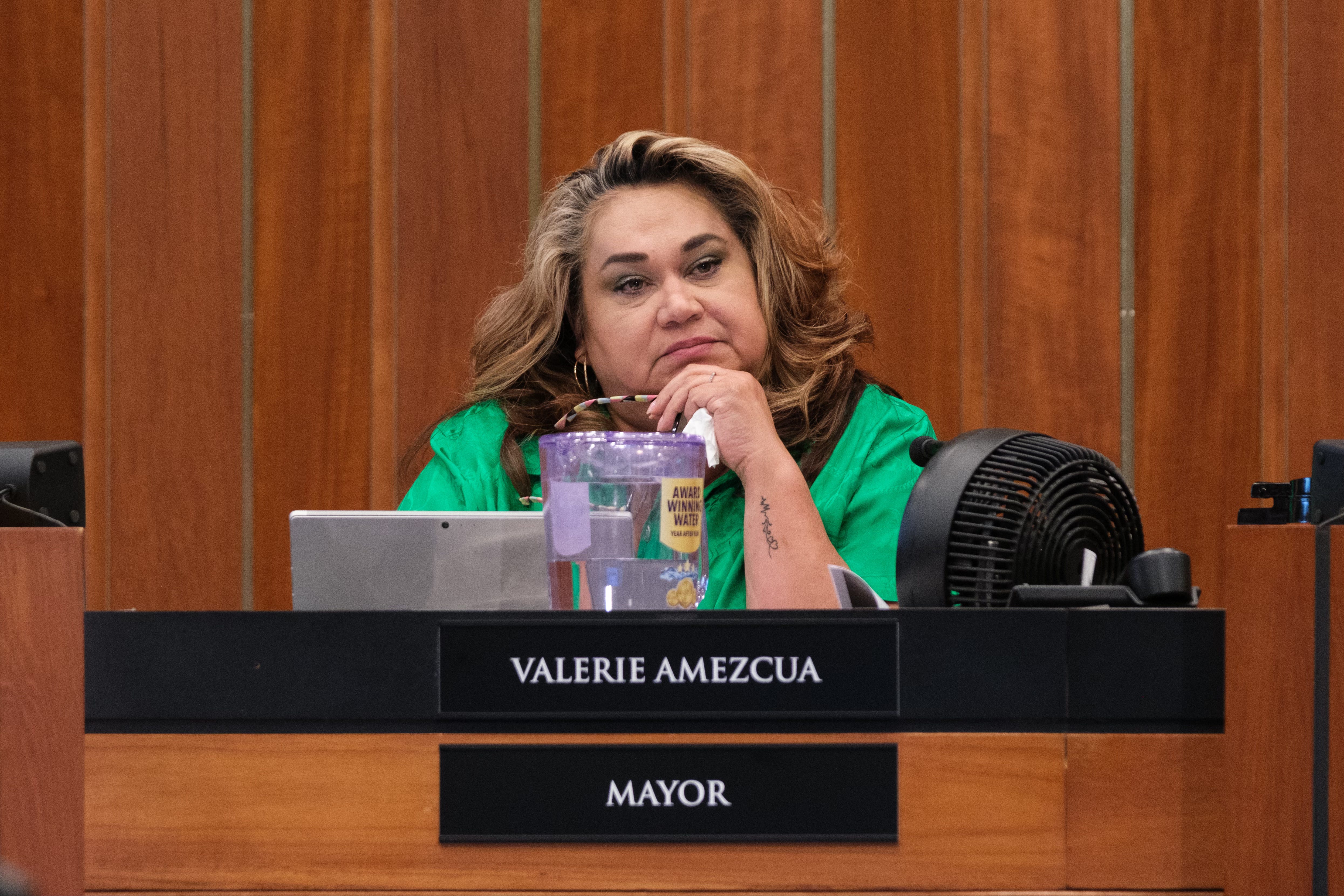
Public records requests for Santa Ana Mayor Valerie Amezcua’s text communications between June 6 and June 11 regarding the Immigration and Customs Enforcement (ICE) raids and protests against the raids, as well as messages spanning two years with her chief of staff, resulted in zero records being disclosed. State law and a California Supreme Court ruling require disclosure of a city official’s texts about the public’s business even if they were sent on personal devices.
The request for communications about ICE and the community’s resistance resulted in dozens of email threads being disclosed, but proved what the community had been feeling since the raids began: the mayor was largely absent in those first few days. According to the records, Amezcua replied to just 3 emails: Santa Ana Police Chief Robert Rodriguez about charges on a protester booked at the Santa Ana jail, city manager Alvaro Nuñez about canceling soccer field reservations, and a Christian faith leader who had let her know he could not attend a virtual meeting.
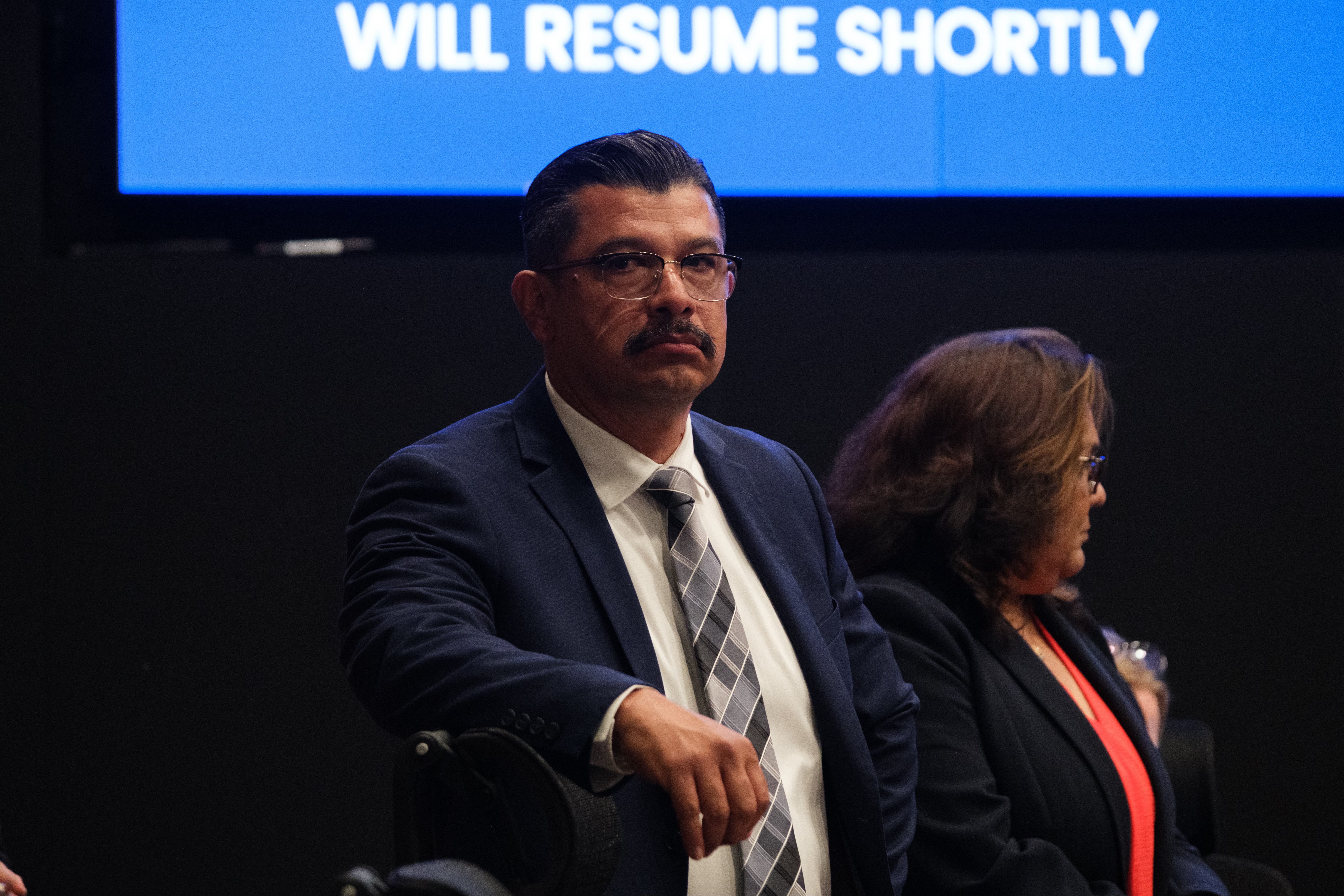
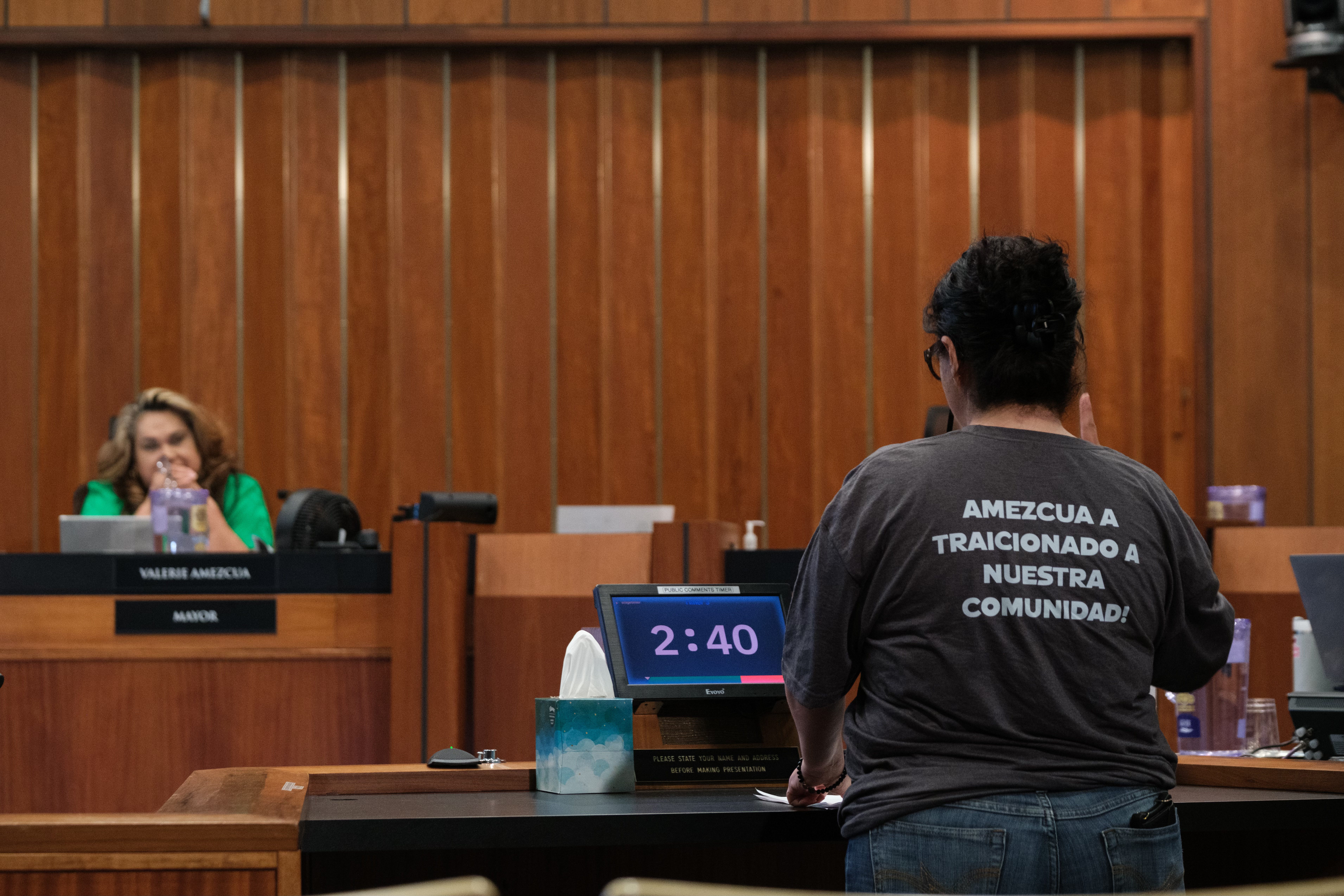
This request came at a time when Amezcua’s leadership — or lack thereof — was criticized by constituents in a five hour public shaming at a city council meeting on June 17. Inadvertent asked Amezcua multiple times to commit to voluntarily disclosing what she did and who she was in contact with during the start of the ICE terror when people were kidnapped by masked agents on the street and the Santa Ana Police Department (SAPD) brutalized protestors who stood in defiance of the raids.
Amezcua did not respond to requests for a voluntary disclosure of a timeline of her actions.
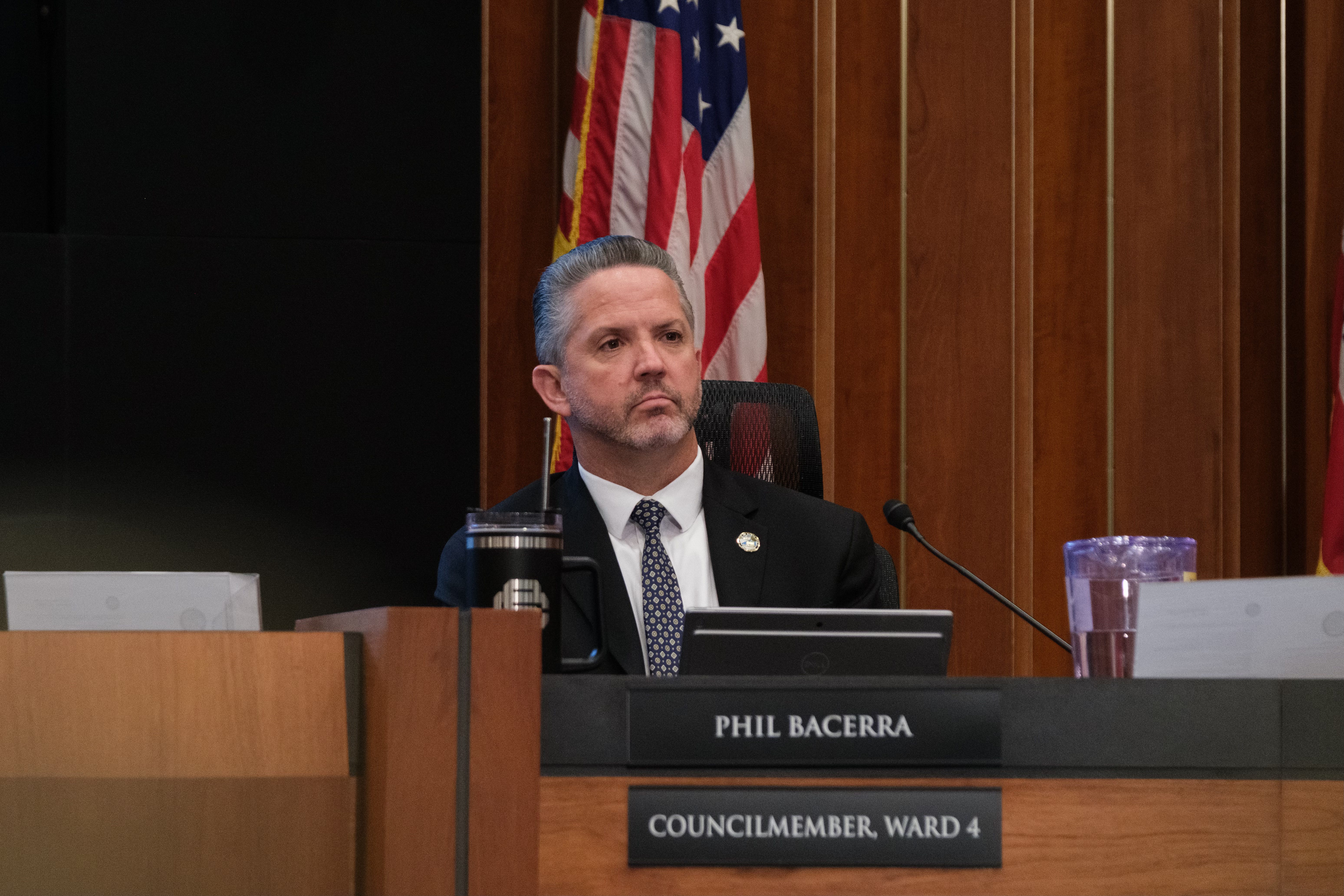
The request for two years worth of messages between Amezcua and her chief of staff Claudia Perez sought communications ranging February 19, 2023 to February 19, 2025. Inadvertent requested these communications after the city refused to release messages Amezcua and Perez exchanged – which Inadvertent photographed as they happened – during a September 2024 mayoral debate about public policy. At the same debate, Perez and city council member Phil Bacerra communicated via Signal, an encrypted messaging application, and deleted their messages about the public’s business within 24 hours, also against city policy and state law.
Both Amezcua and Perez did not respond to repeated requests for comment about their communications and whether city staff asked them to forward their text messages about the public’s business. City spokesperson Paul Eakins said that staff asks officials to forward their relevant communications when requests like these come in. Eakins also stated that the city is compliant with the California Public Records Act, the state’s open records law.
State law and a California Supreme Court ruling require disclosure of a city official’s texts about the public’s business even if they were sent on personal devices.
Perez’s role as chief of staff is through a professional service agreement with the city worth $60,000. The agreement states that her obligation is to provide Amezcua with “administrative, constituent, and legislative support services.”
Responsibilities that fall squarely into the public’s business.
Perez’s invoice for work performed in June 2025 lists work that is almost exclusively in the public sphere such as: staff role at city council meetings, meetings with constituents, a groundbreaking ceremony and a meeting with the Orange County Transportation Authority. The invoice was obtained through a public records request for Perez’s emails that are kept on city servers.
The city’s email and text retention policy states that city officials must keep their communications for two years, but it is unclear how this is enforced.
The city’s public records request policy pre-dates their use of NextRequest, the system used to facilitate requests, according to Eakins. According to a public records request, the city has no policy or instructions on how to use NextRequest.
This all appears to leave staff with discretion on how to handle records requests submitted by the public.
For now, it seems the city is set on keeping the mayor’s texts confidential despite open records law and the state supreme court’s ruling.