
CoreCivic Vowed To Protect California City in Court Amidst ICE Prison Permit Dispute
Private prison giant CoreCivic insisted a state law didn’t apply to its ICE prison permits and told California City officials it would protect the city in court if sued, records reveal.


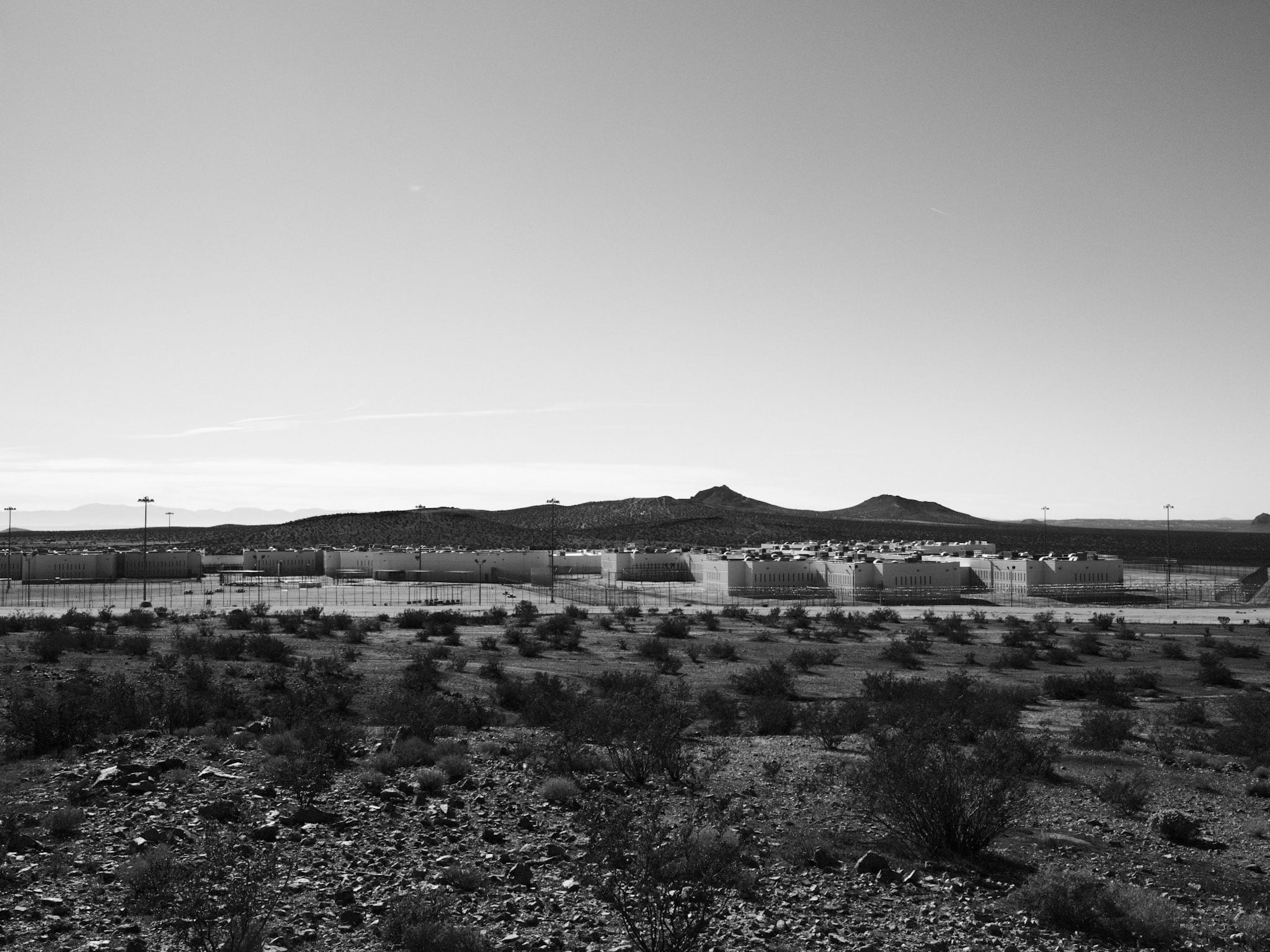
Amidst a permit dispute last August between private prison giant CoreCivic and the city of California City, newly released records show the prison company promised it would protect the city and pay for any lawsuits stemming from SB 29 violations, a state law limiting public agencies from issuing permits related to immigration detention. State and municipal laws were not going to stop CoreCivic from opening the prison again after the company had received a fast-tracked contract notice that railroaded regular bidding procedures just months prior, in March 2025.
Records show that on August 8, 2025, CoreCivic’s General Counsel, Cole Carter, sent a letter to then-City Manager Christopher Lopez that stated, “In the unlikely event that any legal action arises related to SB 29 and its interpretation or application to the Facility, CoreCivic will fully indemnify and defend the City of California City. This commitment includes covering all legal costs and liabilities that may be incurred as a result of such litigation.”
On August 14, CoreCivic lobbyist John Malloy repeated this commitment to the city’s planning consultant, Anu Doravari, confirming that “... in the unlikely event there was litigation around this issue, the company would pay for all legal costs related to this piece of legislation.”
On August 15, Deputy City Attorney Joaquin Vazquez sent a letter back to Malloy stating, “While CoreCivic’s indemnification and defense of the City for legal action related to SB 29 (as offered by Cole Carter in the first letter) is welcome and warranted, the City cannot disregard clear state law procedural requirements for Project approval.”
Mayor Marquette Hawkins told Inadvertent that, to the extent of his knowledge, the city’s legal defense is on the “city’s dime” and not being funded by CoreCivic. He said he was unaware of any contract or agreement that ensures that CoreCivic would indemnify the city in case of legal action. Inadvertent is receiving records on a rolling basis from the city regarding the permits and communications with CoreCivic. Should any agreement between the city and CoreCivic exist, Inadvertent will publish it. The city initially ignored the records request but quickly cooperated after the Press Freedom Project, UC Irvine School of Law’s legal clinic, sent a letter warning the city that it was breaking the law by not responding to the request promptly.
The state prison, located at 22844 Virginia Blvd in California City, had closed in March 2024 as the state’s contract with CoreCivic expired. However, on the first day of his presidency, Donald Trump signed an executive order and proclamation that became the basis for ICE’s expedited initial contract award to CoreCivic. “[DHS], proposes to enter into contracts with individual detention facilities on behalf of [ICE] on a basis of other than full and open competition to support Executive Order (EO) 14159, Protecting the American People Against Invasion, and Proclamation 1088, Declaring a National Emergency at the Southern Border…” reads the start of ICE’s notice.
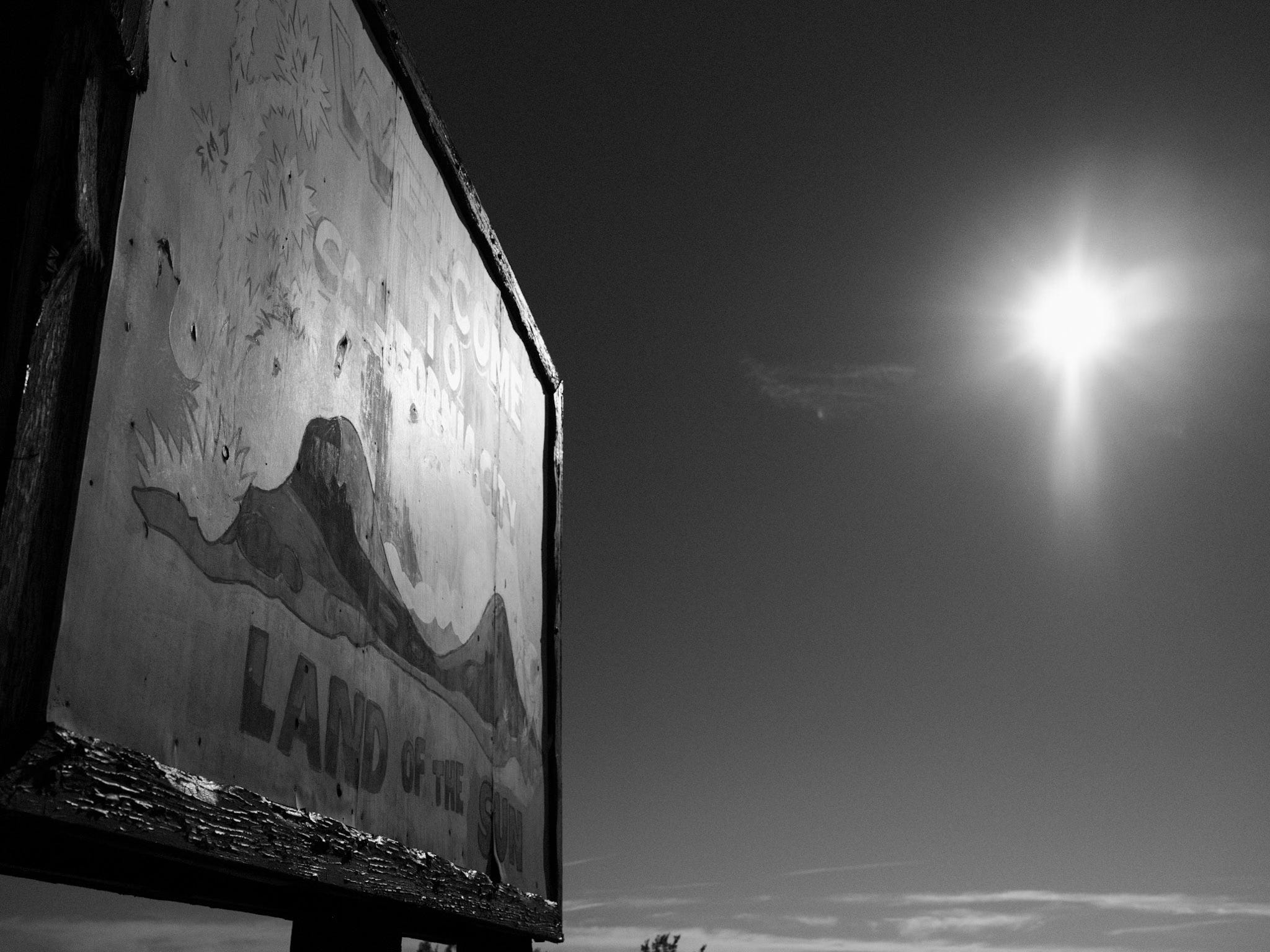
ICE had set its sights on California City, looking to “The Land of The Sun” – the city’s moniker – to be the home of the state’s largest immigration detention facility.
KQED previously reported that ICE’s letter contract with CoreCivic was worth $31 million. This was just to fund the prison’s start-up operations from April to August last year. The agreement, which has yet to be shared with the public, provided a monthly payment to CoreCivic for start-up operations and sunset at the end of August 2025, the same month that CoreCivic officials were insisting state law did not apply to their permit applications. The same month that CoreCivic committed to protecting the city from lawsuits arising from claims related to SB 29.
A redacted contract amendment offers a glimpse into what ICE was soliciting from CoreCivic: transportation services, detainee volunteer work program, case processing, detention, and more.
Trump’s executive order and proclamation have also become the basis of one of CoreCivic’s arguments in an ongoing federal lawsuit claiming SB 29 was not followed, the exact type of case that it vowed to defend the city in. The lawsuit, filed by the Dignity Not Detention Coalition (DNDC) against CoreCivic and the city in October 2025, alleged CoreCivic opened its prison for ICE without the proper permits and license and alleged that the city failed to enforce its municipal code and hold public hearings as required by SB 29, the Dignity Not Detention Act. In the case, CoreCivic argued that being tapped by ICE to open the prison for immigration detention allowed it to bypass state and local requirements. By the time the case was filed, ICE and CoreCivic had upgraded their elusive letter contract to an official contract that CoreCivic stated is worth $130 million.
The dispute between CoreCivic and the city played out as ICE raided Southern California, resulting in tens of thousands of people being ripped away from their communities and forced into detention. Amanda Diaz, organizing director with Freedom For Immigrants, member of the DNDC, said, “This is a very clear example of how the current administration is just wanting to expand immigration detention, whatever it takes and make these businesses prosper under the pain and suffering of communities.”
CoreCivic did not respond to repeated requests for comment.
The case is ongoing in the California Eastern District Court. The case number is: 1:25-cv-01292-JLT-CDB.