

Note on July 10, 2026 at 1:50 P.M.: After reaching APD PIO Sergeant Eric Anderson and city spokesman Mike Lyster via phone, they stated that they did not receive Inadvertent’s emails.
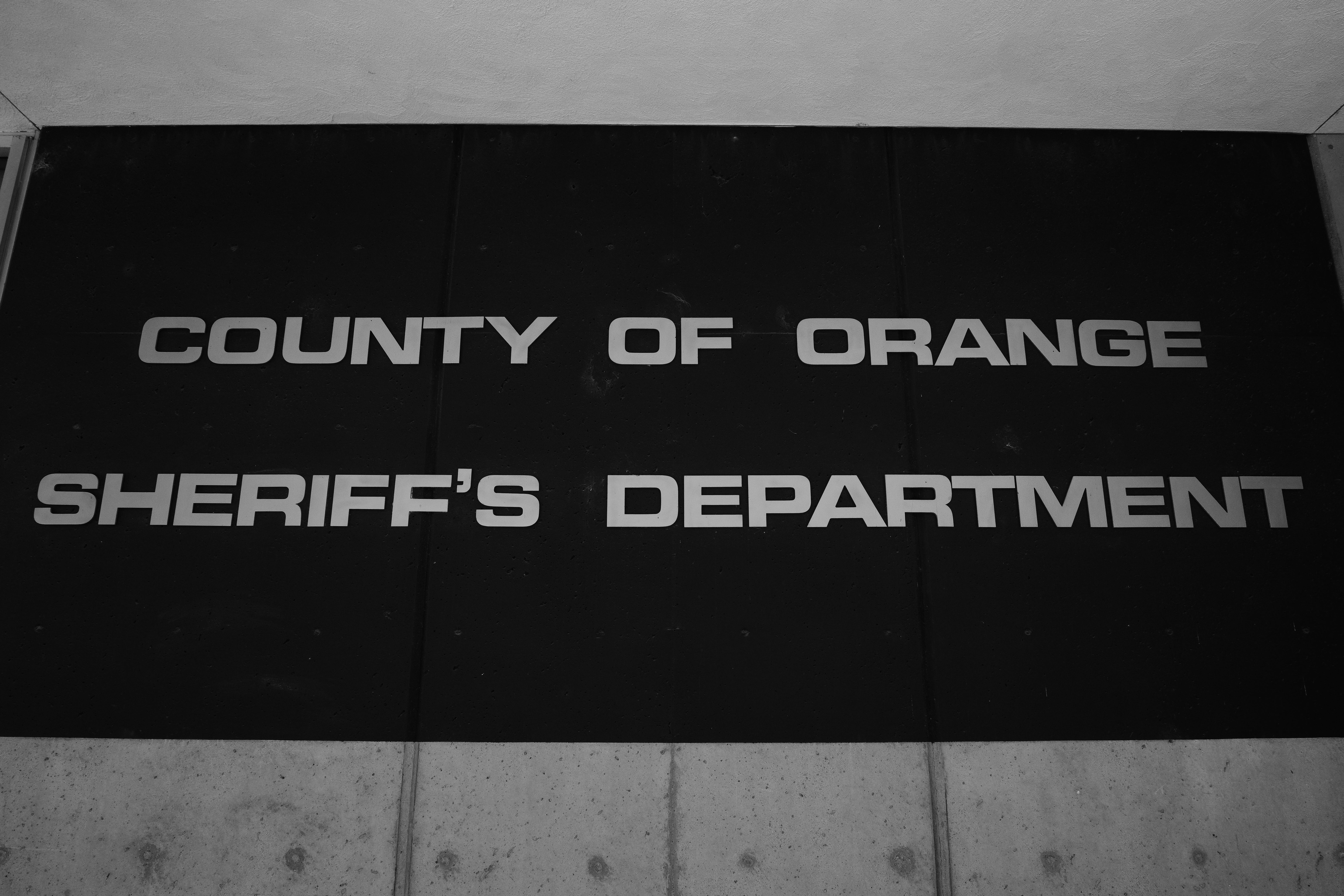
ORANGE COUNTY - Cops across the Golden State accessed the Orange County Sheriff’s Department’s (OCSD) Flock Safety automated license plate reader (ALPR) system at least 145 times to track protesters within the span of a year and seven months, newly obtained data shows. Eleven California police agencies, one as far as Daly City, located almost 400 miles away, searched for protesters using OCSD’s Flock data, which contains license plate numbers, timestamps, locations, and photos of vehicles and their surroundings. The majority of the dates that police searched for people landed directly on or around dates when protests against ICE were held. The data was shared with Inadvertent by a local anti-ALPR organizer, who obtained it through a public records request with the help of Oakland Privacy. The data, officially called a network audit, is a log spanning approximately 19 months that shows other agencies’ individual queries of OCSD’s Flock. The records provide a snapshot of how police have been using Flock’s powerful mass surveillance system on the public — without the public’s consent.
On and around June 14 last year, officers from Anaheim Police Department (APD), San Bernardino County Sheriff’s Department, Riverside police and sheriff’s agencies, Daly City Police Department, Salinas Police Department, and the California Highway Patrol looked for people who were involved in protests using Flock’s powerful search features, such as license plate lookups or a freeform-AI-powered search. The features enable anyone with access to the Flock system to look for people who are in view of Flock’s pervasive camera systems. Flock’s AI-powered system allows cops to search for specific identifiers on vehicles or people.
The reasons for the searches, cited by officers, are contained in the log. They are unspecific and include “protest”, “ICE PROTEST”, “gene autry protest” and other vague terms. Cops are required by state law to list the reason for searching through the Flock system, but the data shows that even beyond tracking people engaged in First Amendment activity, police have been logging their reasons using vague one-word responses. The most specific search for protesters read “Hit and run protest,” logged by the Riverside Police Department.
APD’s search labeled “gene autry protest” lines up with a protest against ICE that occurred on Gene Autry Way in Anaheim last year. The logs do not contain who the targets of the searches were or what prompted APD to query the Flock system. Natalie Mason, who was at the Gene Autry Way protest last year, said she was “unsettled” learning that APD was using mass surveillance systems to look for protesters. “I feel sort of violated,” she said. She went out to protest last year because, according to her, her neighbor self-deported due to fear from the ICE terror. Mason added her sister would often share that people would be missing from work.
“You know, we have a right to speak our– to speak and say what’s on our mind,” Mason added.
Outside of the mid-June 2025 searches, officers continued to provide little details about their reasons for scouring the Flock system for protesters. One agency, Escondido Police Department, queried the Flock system at least 28 times on February 2 last year for “Protest ATI Vehicle” and “Immigration Protest.” These searches line up with several arrests that followed a protest against ICE terror in Escondido on that date.
“Protest is a common one. Protests, protesters,” said Ed Vogel, a member of DeFlock who researches ALPR usage across the country, when asked about police using ALPRs to search for protestors.
“It’s another example as to how surveillance like ALPR, not just ALPR, but surveillance is a symptom of a crisis of democracy,” Vogel added.
A Flock Safety spokesperson stated, “Flock’s technology is leveraged every day across Orange County to help solve countless crimes like auto thefts, violent assaults, robberies and more. We are proud our technology is helping to keep the residents of Orange County and surrounding communities safe.”
They directed further questions regarding specific searches to the OCSD.
An email from OCSD’s Public Information Office stated: “To answer your first question, Flock is not used to track protesters.”
They confirmed that outside agencies, meaning not OCSD, are not subject to OCSD’s ALPR policy. This leaves the door open for the types of searches listed in the Network Audit: searches used to track protesters. They did not respond to further questions about this policy issue by publishing.
“In 2026, surveillance tech has become so highly automated and large in scope that this familiar pattern edges ever closer to dystopia-style authoritarianism where the government keeps records on every single person who dares to protest a government action,” said Tracy Rosenberg, Advocacy Director at Oakland Privacy, “For a country that venerates an act of civil disobedience about tea in Boston, that’s a disturbing direction to go.”
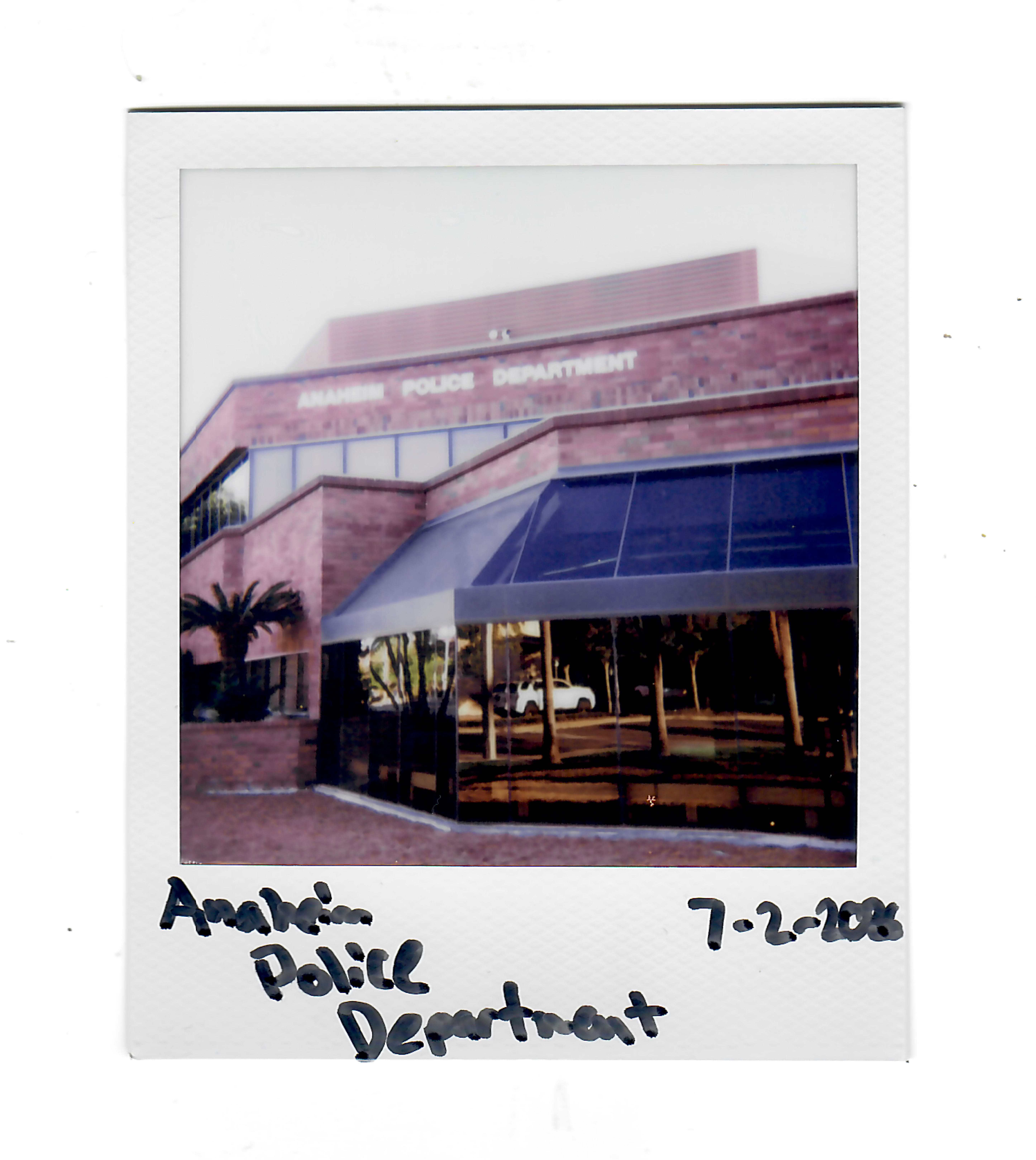
City of Anaheim spokesperson Mike Lyster and APD Public Information Officer Eric Anderson did not respond to repeated requests for comment about APD’s searches.1
The revelation of OCSD’s Flock network having been used to surveil protestors comes after President Trump issued National Security Presidential Memorandum-7 (NSPM-7), a directive that criminalizes dissent in the United States. Recently, anti-ICE protestors in Texas were handed lengthy prison sentences for their participation in a noise demonstration outside of an ICE detention center in Prairieland, Texas. One individual, who was not even at the protest, was sentenced to thirty years for moving a box of zines.
“Surveillance shows a crisis of democracy by, one, how these technologies are procured. Oftentimes it’s done behind closed doors, oftentimes it’s done without fully disclosing information to the public or to elected officials,” said Vogel, “There’s very little public engagement around whether we should enter into a contract, no real democratic process around the signing of the contract, or asking around, ‘Is this the community we want to build? Is this public safety?’”
Jayrol San Jose contributed to this report.
Edit July 6, 2026 at 7:50 A.M: A typo in the subscription appeal note at the top was fixed.
See note at the top of this article.
2023-133 City of Anaheim
It Has Not Properly Managed Tourism-Related Contracts and Millions of Dollars in Related Funds #AnaheimAudit
Published: January 30, 2024
https://www.auditor.ca.gov/reports/2023-133/
"City of Anaheim spokesperson Mike Lyster and APD Public Information Officer Eric Anderson did not respond to repeated requests for comment about APD’s searches."